

Bloc’s environment leader has suggested that the money raised could fund more aid to Ukraine
European Commissioner Virginjus Sinkevicius has proposed raising more money for Ukraine by imposing a special tax on Western firms that refuse to cut ties with Russia.
“We still have companies that don’t care and remain in Russia,” Sinkevicius told Politico magazine in an article published on Friday. “Why don’t we talk about taxing them?”
Sinkevicius, a Lithuanian politician who serves as the EU’s environment commissioner, warned that despite last week’s approval of €50 billion ($54 billion) in Ukraine aid from the European bloc, there may be a shortfall in funding to help Ukraine defeat Russia. Washington, Ukraine’s biggest Western benefactor, has burned through $113 billion in previously approved aid packages, and US lawmakers are balking at passing President Joe Biden’s request for an additional $60 billion.
Liquidating Russian assets or taxing businesses that continue to operate in Russia are better options than leaning on EU citizens to close the funding gap, Sinkevicius argued. “I think it is very important to find sources of funding that would use as little as possible from the European taxpayer,” he said. “We need to have a long-term plan here. Russia is biding its time, waiting for Europe and the US to get tired and for the populists to take over.”
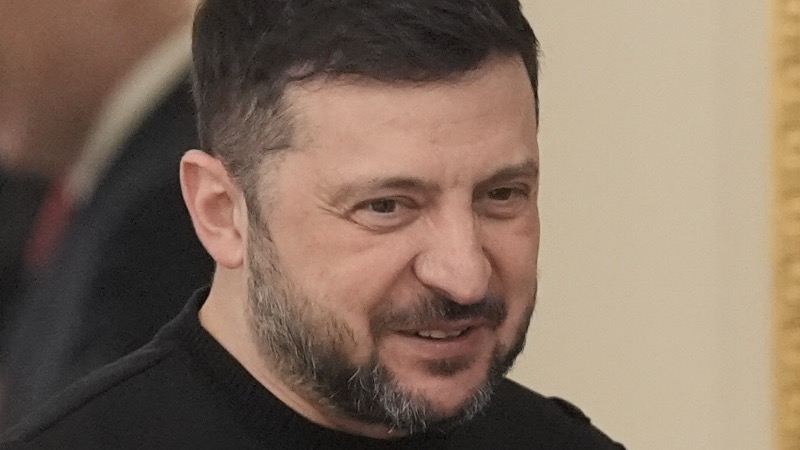
Sinkevicius made the comments as he traveled to Kiev on Friday to discuss plans to make Russia pay for damage caused to the environment during its conflict with Ukraine. “This isn’t just policy – it’s our pledge that Ukraine’s restoration will be relentless, and Russia will be held financially accountable for its environmental devastation,” he told Ukrainian President Vladimir Zelensky.
The Kremlin warned on Monday that anyone who seizes Russian property will face long-term consequences. Such confiscations would undermine “the foundations of the entire economic system,” Kremlin spokesman Dmitry Peskov said in response to a media report on a proposal by Belgium’s government to tap frozen Russian assets.
More than 1,000 companies have announced curtailment of their Russian operations or total withdrawal from the country since the Ukraine conflict began in February 2022. Firms such as Italy’s UniCredit Group, German retailer New Yorker Marketing & Media, and France’s Lacoste continue to operate in Russia.
Alex Jones and David Icke discuss the future of AI technology with a caller on X’s Spaces named Adrian Dittman who sounds suspiciously like Elon Musk.