

X, formerly Twitter, is now mandating the use of a government ID-based account verification system for users that earn revenue on the platform – either for advertising or for paid subscriptions.
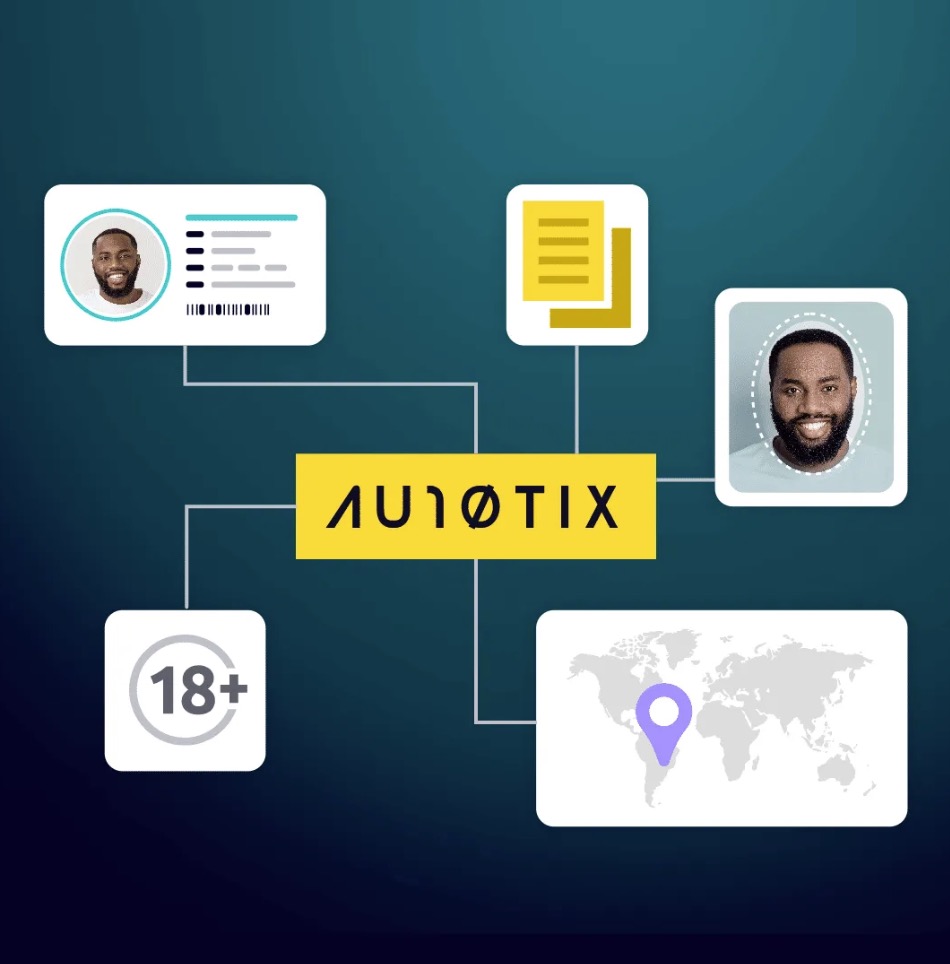
To implement this system, X has partnered with Au10tix, an Israeli company known for its identity verification solutions. Users who opt to receive payouts on the platform will have to undergo a verification process with the company.
This initiative aims to curb impersonation, fraud, and improve user support, yet it also raises profound questions about privacy and free speech, as X markets itself as a free speech platform, and free speech and anonymity often go hand-in-hand. This is especially true in countries where their speech can get citizens jailed or worse.
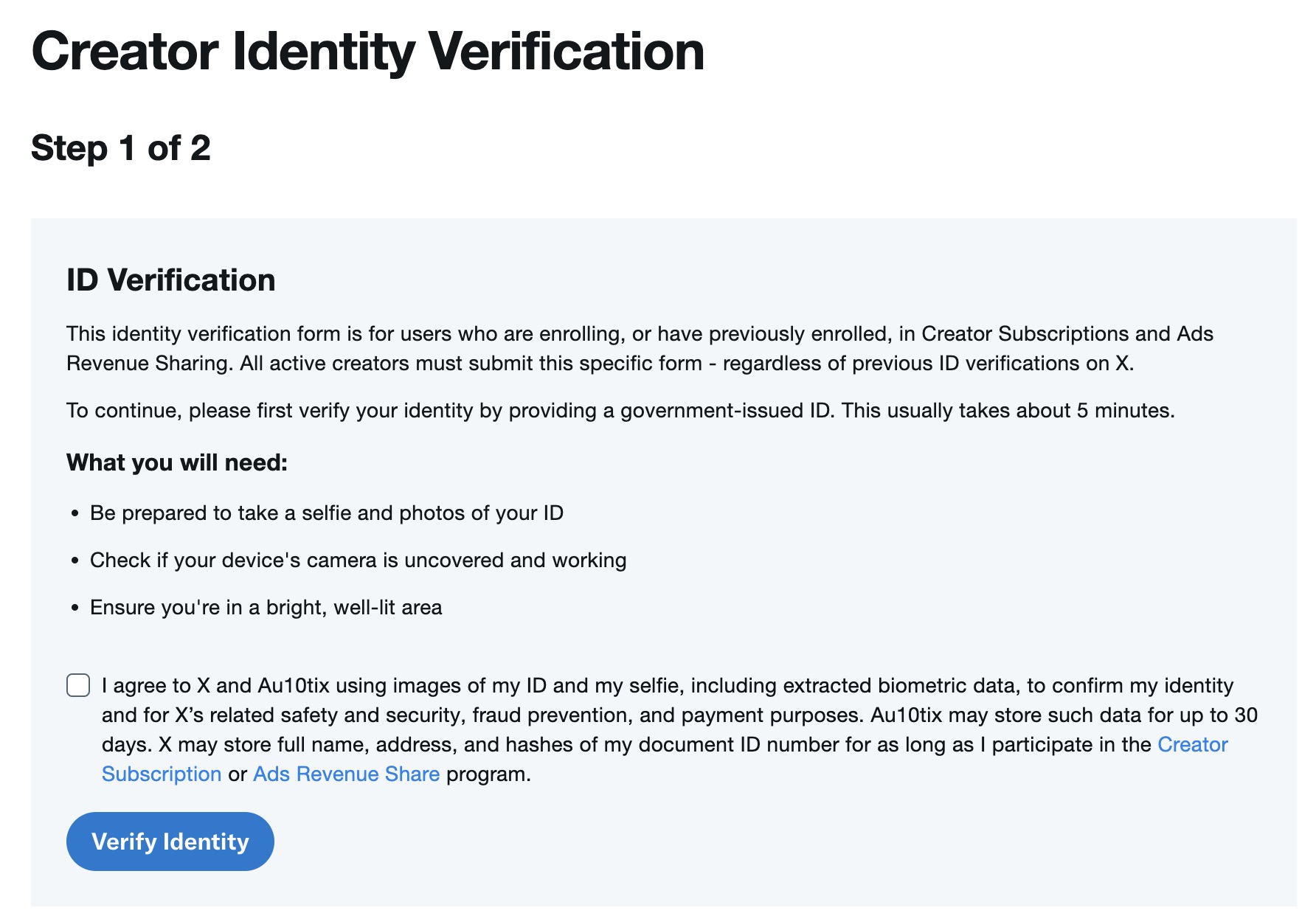
“We’re making changes to our Creator Subscriptions and Ads Revenue Share programs to further promote authenticity and fight fraud on the platform. Starting today, all new creators must verify their ID to receive payouts. All existing creators must do so by July 1, 2024,” the update to X’s verification page now reads.
This shift towards online digital ID verification is part of a broader trend across the political sphere, where the drive for identification often conflicts with the desire for privacy and anonymous speech. By linking online identities to government-issued IDs, platforms like X may stifle expression, as users become wary of speaking freely when their real identities are known.
This policy shift signals a move towards more accurate but also more intrusive forms of user identification. Although intended to enhance security, these practices risk undermining the very essence of free speech by making users feel constantly monitored and raise fears that, in the near future, all speech on major platforms will have to be linked to a government-issued ID.
Anonymity has long been a cornerstone of free speech, allowing individuals to express controversial, dissenting, or unpopular opinions without fear of retribution. Throughout history, anonymous speech has been a critical tool for activists, whistleblowers, and ordinary citizens alike. It enables people to criticize their governments, expose corruption, and share personal experiences without risking their safety or livelihoods.
Governments around the world have been pushing for an end to online anonymity over the last year, and X’s new policy change is a step towards this agenda.
Over the last year, a slew of child safety bills has emerged, ostensibly aimed at protecting the youngest internet users. However, beneath the surface of these well-intentioned initiatives lies a more insidious agenda: the push for widespread online ID verification.
X owner Elon Musk has commented in support of these bills, as recently as last week.
While this new X change is only for those users looking to claim a cut of the advertising revenue that X makes from their posts and is not yet enforced for all users, it is a large step towards the normalizing of online digital ID verification.
BREAKING: Globalists Resigning In Mass Ahead Of HUGE Events – MUST WATCH